


Explore the fascinating journey of sneakers from their origins as athletic footwear to becoming powerful cultural icons. Discover how sneakers have evolved through history, influenced fashion, and become symbols of self-expression, activism, and technological innovation. Learn about significant cultural movements, the rise of sneaker collecting, and predictions for the future of this dynamic industry. This comprehensive overview highlights the enduring legacy of sneakers in society.
Table of Contents
Introduction to Sneakers: The Beginning
The history of sneakers can be traced back to the late 19th century when they were primarily designed for athletic purposes (Britannica). The term ‘sneaker’ itself is believed to have originated from the silent rubber soles of these shoes, which allowed individuals to move stealthily. Initially, these shoes were made with canvas and rubber, making them suitable for sports such as basketball and tennis. The first notable model was the Converse All-Star, introduced in 1917, which became a staple for basketball players and eventually made its way into popular culture.
During this early period, sneakers were not just limited to professional athletes; they transitioned into everyday wear. As sports gained prominence, so did the footwear associated with them. The design of these shoes focused on functionality, providing athletes with better grip and comfort while enhancing their performance on the court or playing field. In the 1920s and 1930s, brands like Adidas and Puma entered the footwear market, further innovating designs by incorporating improved materials and technologies. For instance, studs were introduced to soccer cleats, significantly increasing traction on grass surfaces.
The post-World War II era marked significant advancements in sneaker design. The introduction of new manufacturing techniques allowed brands to produce sneakers at a larger scale, leading to increased accessibility for the general public. By the 1960s, sneakers began to gain popularity as part of youth culture, influenced by icons such as athletes and celebrities who sported these shoes. This marked a crucial shift from being purely functional footwear to symbols of self-expression and style. The development of sneakers laid a robust foundation for what they would come to represent in later decades, transforming them into cultural icons that transcended their athletic origins.
The Rise of Sneakers in Professional Sports
The evolution of sneakers in professional sports marks a significant cultural shift, underscoring the convergence of athletic performance and fashion. Initially designed for functionality, sneakers have transformed into essential gear for athletes across various disciplines. This transformation gained momentum in the late 20th century, propelled by iconic endorsements from sports figures who transcended their athletic arenas.
In the 1980s, basketball player Michael Jordan emerged as a pivotal figure in popularizing sneakers beyond their athletic purpose. His collaboration with Nike led to the creation of the Air Jordan brand, a line that not only revolutionized basketball footwear but also shifted consumer culture around sneakers. The demand for Air Jordans skyrocketed, establishing a trend that influenced many athletes to sign lucrative endorsement deals with sneaker brands. The marketing of these athletes created a nexus between sports and street fashion, further elevating the status of sneakers in popular culture.
Moreover, significant sporting events, such as the Olympics and World Cups, have played a crucial role in highlighting the importance of sneakers. The platform provided by these major sports gatherings showcased innovations in sneaker technology and design, capturing global attention. Prominent athletes, including Usain Bolt in track and field and Serena Williams in tennis, have contributed to the rise of performance-oriented sneakers, emphasizing the synergy between high-level competition and advanced footwear technology.
This burgeoning relationship between sneakers and professional sports has led to a diversification of sneaker brands, with companies continually introducing new models tailored for specific athletic needs. As sneakers symbolize excellence in performance, their role in avid sports fandom has cemented their place in the cultural tapestry, echoing the aspirations and identities of both athletes and sports enthusiasts alike.

Sneakers as a Fashion Statement
Sneakers have evolved significantly from their origins as athletic footwear to becoming a dominant force in the fashion industry. Initially designed for practical purposes in sports, these versatile shoes have transcended their utilitarian roots and entered the realm of high fashion. The transformation can largely be attributed to a combination of influential designers, celebrity endorsements, and shifting cultural trends that have elevated sneakers to iconic status.
Throughout the years, collaborations between luxury fashion brands and sneaker manufacturers have introduced innovative designs, pushing the boundaries of how sneakers are perceived. For example, renowned fashion houses such as Balenciaga and Gucci have incorporated sneakers into their collections, marrying elegance with casual comfort. By doing so, they have successfully redefined the sneaker’s image, making it a staple in both streetwear and high-end fashion.
Moreover, the prominence of celebrity culture has further fueled sneaker fascination. Influential figures such as Kanye West, Rihanna, and Travis Scott have established their own sneaker lines or partnerships, creating limited-edition releases that quickly become coveted items. These limited drops not only generate significant anticipation but also contribute to a sense of exclusivity, ultimately making sneakers a vital component of contemporary fashion identity.
The sneaker culture has also embraced the power of social media, where influencers and fashion enthusiasts showcase their unique styles, often centered around specific sneaker models. This visibility promotes a diverse array of styles and encourages individuals to express their personal identity through their footwear choices. Sneakers have thus transcended their function as mere athletic gear, embodying a fusion of comfort, performance, and style that resonates with modern consumers.
As trends continue to evolve, the sneaker remains a dynamic element within the fashion landscape, reflecting societal changes and individual expressions. The journey from sports arenas to mainstream fashion illustrates not only the adaptability of sneakers but also their enduring appeal as fashion statements that effectively blend practicality with aesthetic charm.
Cultural Significance and Subcultures
Sneakers have evolved far beyond their original purpose as athletic footwear, permeating various cultural movements and establishing themselves as potent symbols of identity and rebellion. One of the most noteworthy subcultures that embraced sneakers is hip-hop, which emerged in the 1970s in New York City. The connection between hip-hop and sneaker culture is undeniable, with artists using stylish footwear as a means of self-expression. Iconic sneakers, often depicted in music videos and performances, became emblematic of the hip-hop lifestyle and the aspirations of its community. This interplay led to a burgeoning market for limited-edition releases, often seen as a badge of honor among fans.
Similarly, skate culture has played a significant role in elevating sneaker designs and promoting distinct styles. With skateboarding gaining popularity in the 1980s, footwear brands began to collaborate with professional skaters to create specialized sneakers that catered to their needs regarding durability and performance. Over time, these shoes transcended the skate parks, becoming a mainstream fashion statement. Sneakers from brands like Vans and Nike adopted by the skate community, symbolize a youthful spirit, creativity, and a sense of rebellion against conventional fashion norms.
The rise of streetwear further exemplifies how sneakers have become a vital aspect of various subcultures. The synthesis of high fashion and urban street style has led to a unique blend of aesthetic and functionality. Sneakers often take center stage in these trends, serving as focal points in outfits that communicate social status and identity. The socio-economic factors surrounding sneaker culture cannot be overlooked, as limited releases and collaborations often create exclusivity, perpetuating a cycle of desirability and competition among collectors. Ultimately, sneakers have transformed into cultural artifacts, reflecting individuality and the collective narratives of their respective communities.
The Sneaker as a Tool for Activism
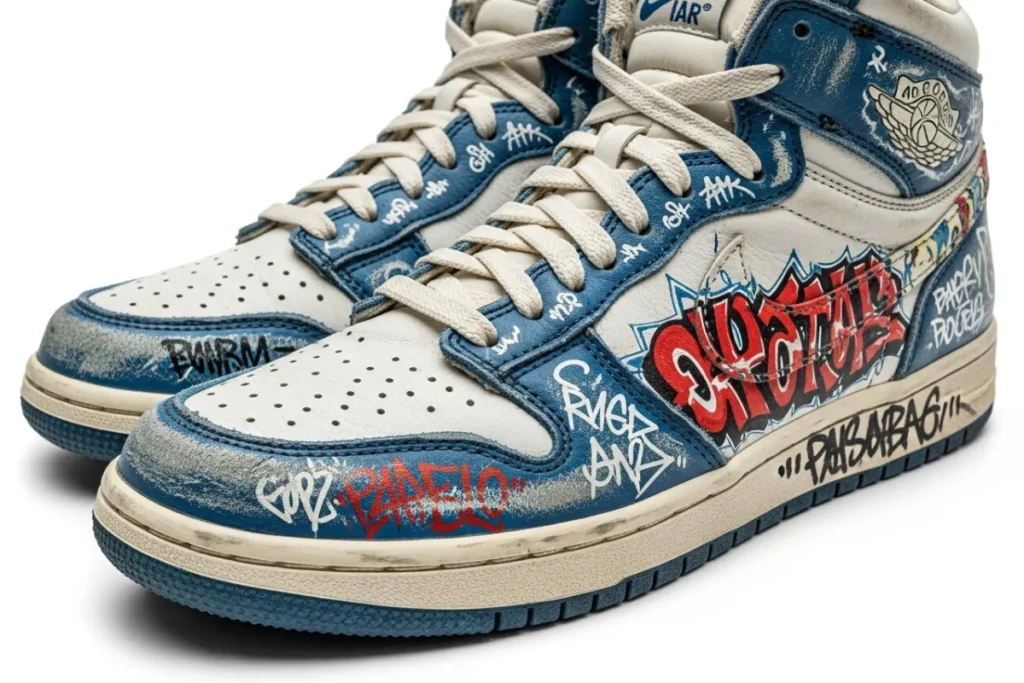
Over the past few decades, sneakers have transcended their primary function as athletic footwear to become powerful symbols within various social movements. The integration of sneakers into activism reflects the potential of fashion to influence public dialogue on critical issues such as social justice, equality, and environmental sustainability. This evolution showcases the profound intersection between culture and activism, wherein sneaker brands and artists utilize their platforms to promote awareness and inspire change.
One notable example is Nike’s “Equality” campaign, which aimed to foster inclusivity and challenge systemic racism. During this campaign, the brand featured prominent athletes who advocated for social justice, demonstrating how sneakers can serve as a medium for raising awareness about discrimination and inequality. Similar efforts have been made by other brands, including Adidas and Puma, which have launched initiatives and collaborations that spotlight issues such as gender equality and climate change. These moves highlight the capacity of footwear to resonate with consumers and mobilize communities around important causes.
Moreover, collaborations between sneaker companies and grassroots organizations have played a significant role in activism. For instance, the partnership between Nike and the nonprofit organization, “Doernbecher Children’s Hospital,” has raised funds for pediatric care while simultaneously allowing young patients to showcase their design talents. This collaboration not only empowers the youth but also exhibits how sneakers can become instruments of hope and change, allowing previously unheard voices to be amplified within mainstream narratives.
The sneaker culture’s shift towards activism reflects an increasing awareness among consumers who prioritize ethical considerations in their purchasing decisions. Collectively, these actions demonstrate that sneakers can serve as a vehicle for advocacy, shaping public perceptions and fostering a commitment to collective progress. The symbolic nature of sneakers in activism continues to evolve, symbolizing not only a lifestyle choice but also a commitment to the principles of change and justice.
The Influence of Technology on Sneaker Design
The advancement of technology has significantly transformed sneaker design, elevating performance, comfort, and style to unprecedented levels. A trajectory of innovation has taken place through the years, impacting how sneakers are conceptualized and constructed. The introduction of high-tech materials has reshaped traditional footwear, with new fabrics such as Flyknit and Primeknit offering remarkable lightness and breathability. These engineered materials not only ensure a snug fit but also provide exceptional support, fundamentally altering the way athletes experience and utilize sneakers during physical activities.
Moreover, cutting-edge manufacturing techniques, such as 3D printing, have revolutionized how sneakers are produced. This enables brands to create intricate designs that were previously unattainable, allowing for specialized footwear tailored to the unique needs of various sports. Speed and efficiency in production have also increased, resulting in quicker turnaround times from design to consumer availability. Such innovations exemplify how technology is not merely an enhancement to sneaker aesthetics but also a critical component in elevating overall functionality.
Sustainability has emerged as a key consideration in sneaker design, with manufacturers increasingly integrating eco-friendly practices into their production processes. The adoption of biodegradable materials, recycled components, and sustainable manufacturing practices underscores the industry’s commitment to reducing its ecological footprint. Brands are now finding ways to balance the pursuit of high performance with environmental responsibility, ensuring that sneakers not only cater to athletic and stylistic demands but also address the needs of our planet.
The confluence of technology and ethical considerations has set the stage for a new era in sneaker design—one that prioritizes innovation while remaining conscious of broader societal impacts. As these advancements continue to unfold, the future of sneaker design looks promising, paving the way for continual enhancements in athletic performance, consumer comfort, and environmental stewardship.
The Sneaker Marketplace: Trends and Collecting
The sneaker marketplace has evolved significantly over the past decade, transforming the way enthusiasts engage with footwear. A key trend in this realm is the rising importance of limited edition releases. Brands strategically leverage scarcity by producing small quantities of exclusive sneakers, thereby enhancing consumer desire. This phenomenon has contributed to the emergence of sneakerheads—collectors and enthusiasts who are deeply invested in acquiring rare models. The phenomenon of capturing a limited release upon launch often leads to a competitive atmosphere, fostering dynamic buying behaviors among collectors.
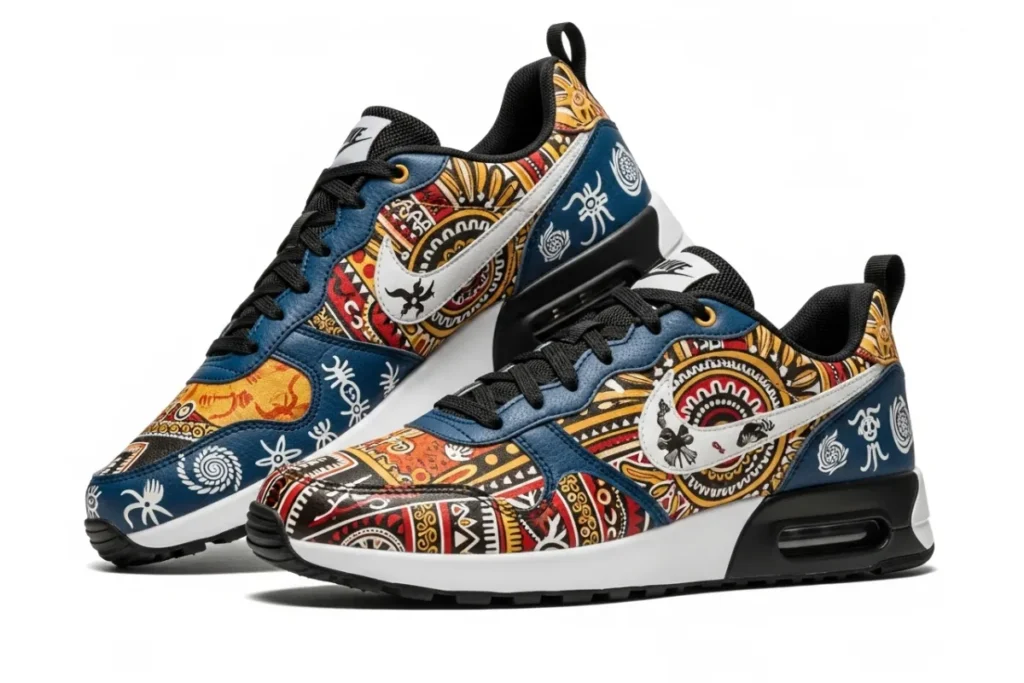
Collaborations between sneaker brands and prominent figures, such as designers and athletes, further enrich the sneaker marketplace. These partnerships result in unique sneaker offerings that often command higher resale values. Prominent collaborations, which can transcend conventional sneaker culture, create a fusion of art, fashion, and athleticism, appealing to a wider demographic. This trend reflects the broader cultural significance of sneakers, positioning them not just as footwear but as valuable artefacts of self-expression.
Reselling platforms have also played a pivotal role in shaping the sneaker marketplace. Websites and apps dedicated to buying and selling sneakers have provided avenues for collectors to navigate market fluctuations effectively. These platforms allow sneakerheads to connect with one another, facilitating transactions that often yield significant profits for sellers. The resale market has enabled collectors to view sneakers as an investment vehicle, thereby influencing their purchasing decisions and market behavior.
The interconnection between limited editions, collaborations, and reselling creates unique implications for the sneaker marketplace. As communities of collectors continue to grow, their collective influence drives trends and market dynamics, transforming the sneaker from functional athletic gear into a symbol of cultural identity and investment opportunity. The evolution of this marketplace highlights the importance of understanding consumer motivations and the value attributed to sneakers beyond their original purpose.
Future of Sneakers: Predictions and Innovations
The sneaker industry stands at the intersection of culture, technology, and sustainability, making predictions about its future an exciting endeavor. As consumer preferences evolve, it is anticipated that sneakers will increasingly reflect a commitment to sustainability. Brands are already investing in eco-friendly materials and production methods, responding to growing consumer demand for products that minimize environmental impact. Expect to see innovations such as shoes made from recycled plastics and biodegradable materials becoming more mainstream. This shift reflects a broader movement toward responsible consumption in which consumers prioritize brands that align with their ethical values.
Additionally, advancements in technology will play a significant role in the future of sneaker design. The integration of smart technologies into footwear is on the rise, with features such as performance tracking, personalized fit adjustments, and enhanced comfort becoming more prevalent. Brands may also explore 3D printing, allowing for more customized designs that cater to individual preferences. Such technological innovations not only enhance functionality but also provide opportunities for creative expression, thus reshaping sneaker aesthetics in ways that resonate with the younger, tech-savvy population.
Culturally, sneakers will continue to serve as a canvas for social commentaries, as artists and designers collaborate with brands to push boundaries. The fusion of fashion and activism in sneaker culture is likely to escalate, with limited edition releases that support causes and movements resonating with consumers. This trend signifies the evolving role of sneakers not just as sports footwear but also as instruments of cultural expression and revolution. Overall, the future of sneakers appears to be characterized by a seamless blend of innovation, sustainability, and cultural relevance, reflecting the dynamic landscape of contemporary society.
Conclusion: The Enduring Legacy of Sneakers
As we reflect on the journey of sneakers from their humble beginnings to their current status as cultural icons, it becomes evident that these shoes represent more than just functional athletic wear. Sneakers have transcended their original purpose, evolving into symbols of personal expression, style, and even political movements. Their influence has shaped not only the fashion industry but also various aspects of social and cultural landscapes across generations.
Throughout history, sneakers have served as platforms for messages of empowerment and dissent. Their adoption by influential figures in sports, music, and art has propelled them into the forefront of societal change. This footwear has been integral to movements advocating for equality and justice, leveraging their visibility and popularity to amplify voices calling for change. Notably, the rise of streetwear culture further solidified sneakers as essential components of identity and rebellion against the status quo.
Moreover, the sneaker industry exemplifies the intersection of innovation and marketing. The evolution of design technology and collaborations with prestigious designers has introduced a new level of artistry, which has attracted a diverse consumer base. Limited-edition releases and meticulously curated collections have not only fueled interest among sneaker enthusiasts but have also transformed sneakers into coveted collectibles, marking them as valuable assets in modern culture.
In conclusion, the legacy of sneakers is multifaceted, representing a dynamic intersection of sport, artistry, and social commentary. They embody a reflection of personal narratives and broader societal movements, remaining essential to understanding the historical context of contemporary culture. As we navigate the future, it is clear that sneakers will continue to inspire and provoke discussion, solidifying their enduring legacy as more than just footwear. Their significance transcends the physical realm, embodying the spirit of revolution and change in society.