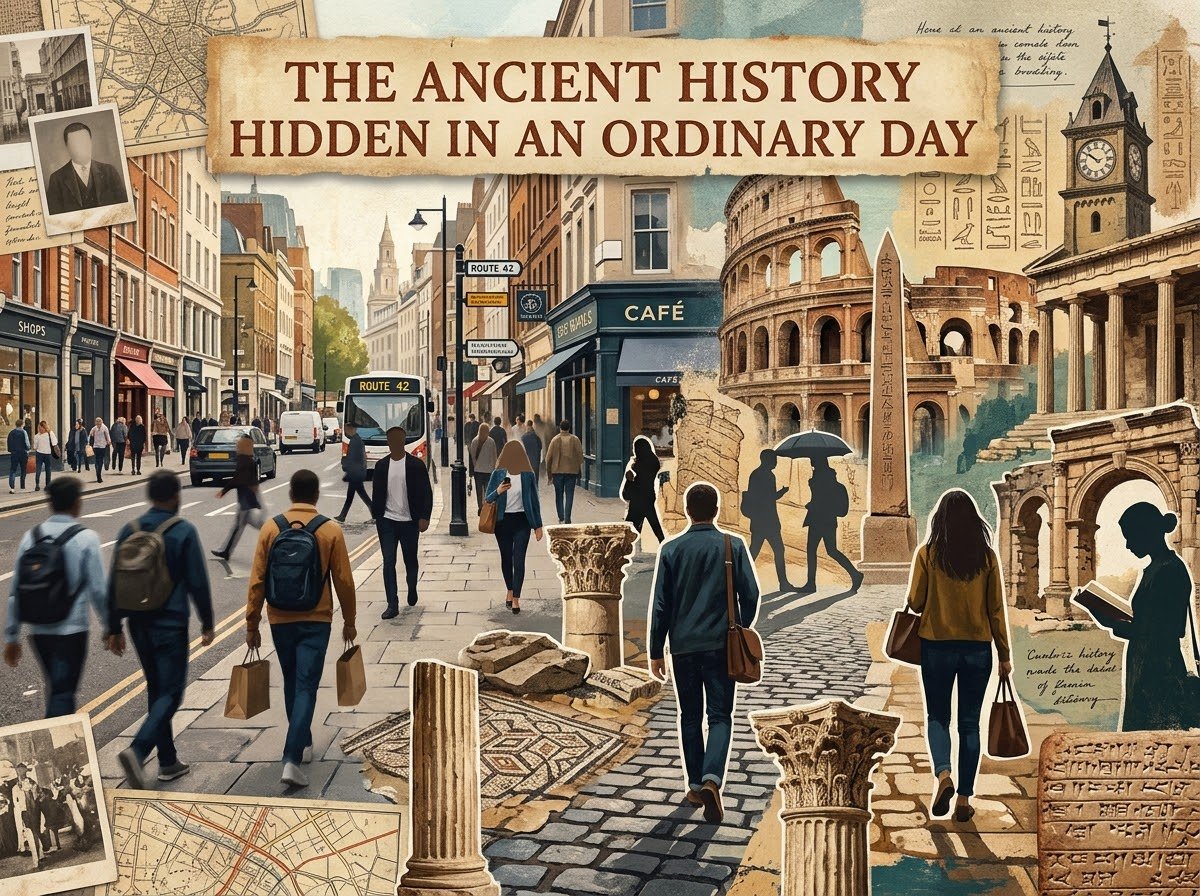
When an alarm sounds before sunrise, the morning begins with an old human project: measuring time. Long before clocks, people watched the sun’s changing position and the stars’ movement to mark recurring parts of the day and year. Shadows offered a practical guide; sundials later made those observations more precise in daylight. At night or under cloud, water clocks and other devices helped track intervals. These methods differed across societies, but each turned patterns in the sky into tools for organizing daily life. A glance at a digital clock therefore connects a modern routine to centuries of observation and invention.
The divisions shown on a clock and calendar also carry a long history. Ancient communities developed systems for counting days, months, and seasons, often combining lunar cycles with the solar year. Because those cycles do not align perfectly, calendars required adjustment, and different civilizations devised ways to keep dates connected to agricultural, religious, and civic needs. The familiar seven-day week and the arrangement of months reflect choices refined over generations rather than natural units that simply appeared. Checking a date while planning work or appointments draws on this accumulated effort to make time legible and shared.
Other morning habits reveal similar layers of ingenuity. Switching on a light continues a story that includes fire, oil lamps, candles, and the development of electric lighting. Preparing tea or coffee depends on cultivated plants, trade routes, vessels, and techniques for heating water—practices shaped in many regions over centuries. Even choosing clothes for the weather reflects inherited knowledge about materials, making, and seasonal change. These actions may feel personal and immediate, yet they rely on discoveries and customs passed between generations. The first hours of an ordinary day are thus not separate from history: they are a quiet meeting point between ancient observations, practical inventions, and present-day routines.
A quick breakfast can conceal thousands of years of change. The wheat in toast, oats in porridge, or rice in a leftover bowl comes from grasses that people gradually domesticated, selecting plants with larger seeds, sturdier heads, and grains that stayed on the stalk long enough to harvest. Early farming communities began cultivating such crops around ten thousand years ago in several parts of the world. What now seems like a simple ingredient therefore reflects generations of observation, labor, and adaptation.
Domestication changed animals as well as plants. People bred cattle for milk and strength, chickens for eggs, and crops for qualities suited to local climates and tastes. Selective breeding was slow, but it altered size, flavor, yield, and resilience; modern varieties carry traces of choices made by farmers over centuries. Once harvests exceeded local needs, exchange connected distant communities. Trade routes moved grain and cooking practices, while tea traveled from China into wider Asian and eventually global markets, and coffee spread from its origins in Ethiopia through the Arabian Peninsula. Sugarcane, first cultivated in New Guinea, moved through South and West Asia into the Mediterranean and the Americas.
Spices such as cinnamon, pepper, and cloves also crossed long distances, prized not only for taste but as valuable commodities. These exchanges carried techniques, seeds, and ideas, reshaping diets and agriculture wherever newcomers adopted or adapted them. But food’s movement was not simply a story of ingenuity. Plantation sugar, for example, became a global staple through colonial expansion and the forced labor of enslaved people; other trade systems likewise concentrated wealth and power while relying on poorly paid or coerced workers. The breakfast table thus holds evidence of both cultural creativity and unequal histories. Today, farming, processing, shipping, refrigeration, and retail link producers across continents, allowing ingredients to appear ready to eat with little visible effort in everyday life.
An ordinary day is assembled from tools whose histories overlap. A notebook or screen depends on writing systems developed from marks on clay, alphabets, paper made from plant fibers, and techniques for reproducing text. Printing turned scarce manuscripts into widely shared knowledge; that knowledge helped spread mathematics, manuals, and technical designs. Modern digital communication extends this chain: it relies on earlier advances in electricity, code, semiconductor materials, and global networks. Each invention opened possibilities that later generations adapted.
Transport tells a similar story. Roads, wheels, ships, engines, and modern transit reflect accumulated work in materials, geometry, navigation, and engineering. Electricity, too, is not simply a switch that makes daily life easier. Its use depends on scientific discoveries, power stations, transmission lines, and systems for producing and maintaining equipment. Even familiar household objects embody many stages of development: mining and processing raw materials, designing components, and coordinating manufacture and distribution. Convenience is therefore the visible result of knowledge and labor that often remain out of sight.
These tools have also reshaped work and the organization of time. Agricultural communities often arranged tasks around seasons and daylight, while craft traditions linked production to local skills and relationships. Industrial machinery concentrated workers in factories and tied schedules to shifts and clocks. Information-based labor has made some tasks portable and communication nearly continuous, changing boundaries between work and home. Yet these changes have never affected everyone in the same way. A device may save one person time while relying on miners, factory workers, couriers, energy systems, and the resources of distant places. Recognizing the generations of shared discovery behind daily routines invites a fuller view of progress: not only what new tools make possible, but whose knowledge, labor, and materials sustain them, and how their benefits and costs are distributed.
As daylight fades, many households gather around a meal, a custom older than written history. Eating together has long done more than satisfy hunger: it distributes labor, marks belonging, and gives families a regular place to exchange news. The ingredients and etiquette change across centuries, but the shared table remains recognizable, whether lit by a hearth, an oil lamp, or an electric fixture. Even a familiar recipe may carry migrations, trade routes, religious observances, and local harvests within its flavors. Modern kitchens add refrigerators and delivery apps, yet the old social purpose persists: making time for one another.
After dinner, conversation often turns to stories, jokes, and remembered events. Oral storytelling once preserved laws, ancestry, and practical knowledge where few people could read; later, printed books widened access, while radio, film, and digital screens carried narratives into new rooms. Music has followed a similar path, moving from communal singing and handmade instruments to recordings, streaming services, and headphones. These technologies alter who performs and who listens, but the desire to share rhythm and imagination endures. Books on a shelf, a song played aloud, or a tale repeated to a child can therefore connect an evening to distant generations.
The atmosphere of evening also reflects centuries of effort to extend the day. Firelight once gathered people close and demanded tending; candles and lamps made homes brighter, while gas and electricity transformed streets and domestic routines. Today, switches and screens make illumination seem effortless, but each bulb rests on older discoveries and changing ideas about comfort and safety. Notice these layers in furniture, utensils, greetings, and bedtime habits. What we choose to preserve, invent, or pass along may become someone else’s inheritance a thousand years hence. Its modest rituals can outlast the tools that first shaped them. An ordinary day is both an inheritance from the past and a contribution to the future.