

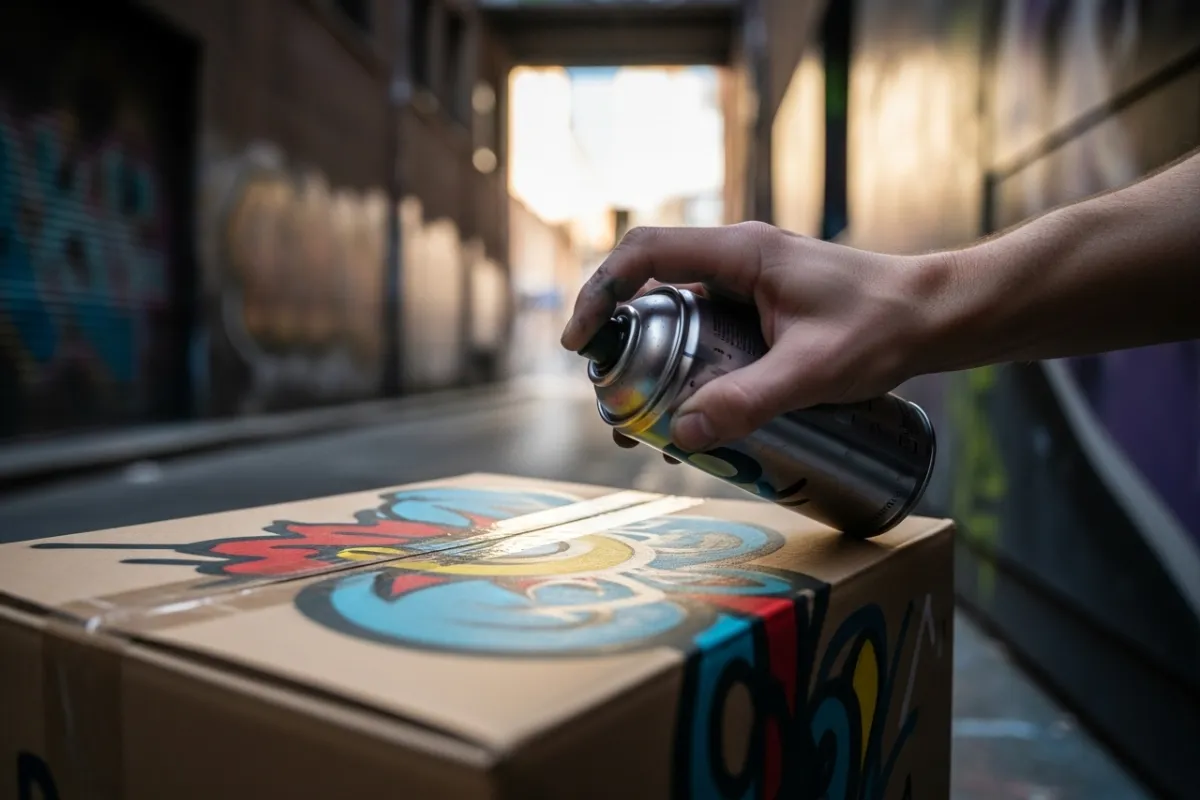
Explore the fascinating evolution and significance of cartons in modern packaging. From their ancient origins to their pivotal role in trade and urban living, cartons have transformed the logistics and marketing of goods. Learn about sustainability trends in the carton industry, the impact of technology on carton design, and how cartons are shaping consumer experiences today. Discover why this versatile packaging solution is essential for businesses and consumers alike, and envision its future in a more eco-friendly world.
Table of Contents
Introduction to the Carton
A carton is a versatile container, primarily constructed from paperboard, that serves an essential role in packaging and transporting various products. Its design and functionality have evolved significantly since its inception, adapting to the needs of manufacturers and consumers alike. Cartons are commonly utilized in the food and beverage industry, among others, due to their lightweight nature, cost-effectiveness, and sustainable properties Confederation of Paper Industries. Their primary function is to protect the contents while providing ease of handling and storage.
The evolution of the cardboard can be traced back to ancient civilizations, where simple paper-like materials were used for storage. However, it wasn’t until the early 19th century that cartons began to resemble the modern packaging we recognize today. The introduction of folding boxboard and advances in printing technology allowed for the creation of flat cardboards that could be easily shipped and assembled when needed. This development not only boosted the efficiency of storage and transportation but also paved the way for innovative marketing opportunities, as cartons could now feature printed designs that attracted consumers.
Cartons have become an indispensable part of modern commerce, facilitating not only trade but also access to products across the globe. From cereal boxes to juice containers, the uses of cartons are ubiquitous. They exist in various forms, including rigid cardboards, flexible pouches, and gable-top containers, each tailored to specific industry requirements and consumer preferences. The inherent characteristics of cartons—such as durability, recyclability, and adaptability—make them a preferred choice for manufacturers. Their significance in trade and everyday life cannot be overstated, as they continue to evolve and meet the ever-changing demands of a dynamic marketplace.
The Origins of Cartons
The story of cardboards begins long before their modern iteration, tracing back to ancient civilizations that utilized various materials for packaging purposes. The earliest methods of packaging were rudimentary and primarily involved natural resources. For instance, ancient Egyptians used woven reeds and grasses to create simple containers. These basic forms of packaging evolved over centuries, adapting to the needs of the population and the commodities being transported.
During the Middle Ages, the development of paper production significantly influenced packaging methods. Paper was initially a luxury item, primarily used for writing and art. As production techniques improved, paper became more widely available, leading to innovative uses in packaging. By the 17th century, folded paper boxes emerged in Europe, serving as a practical solution for merchants needing to protect their goods during transportation.
The 19th century marked a pivotal period for the cardboard industry as industrialization ushered in advancements in both materials and technology. The introduction of the first paperboard cartons in the mid-1800s revolutionized packaging. Made from layers of paper, these cardboard boxes offered increased durability while remaining lightweight and cost-effective. Furthermore, the advent of the printing press enabled branding and information to be directly displayed on cartons, enhancing their functionality and appeal.
With the rise of mass production in the 20th century, the demand for standardized packaging solutions led to further innovations in carton design and manufacturing. Companies began adopting automated processes, which not only improved production efficiency but also facilitated the transition towards more sustainable packaging options. This evolution established cardboards as essential components in transporting a myriad of products, from food and beverages to electronics and pharmaceuticals.
As we explore the rich history of cartons, we recognize their critical role in shaping modern packaging practices, driven by the continual quest for innovation and sustainability. The humble carton, with its historical roots and technological advancements, presents a fascinating narrative of human ingenuity in packaging solutions.
Cartons and Trade: A New Paradigm
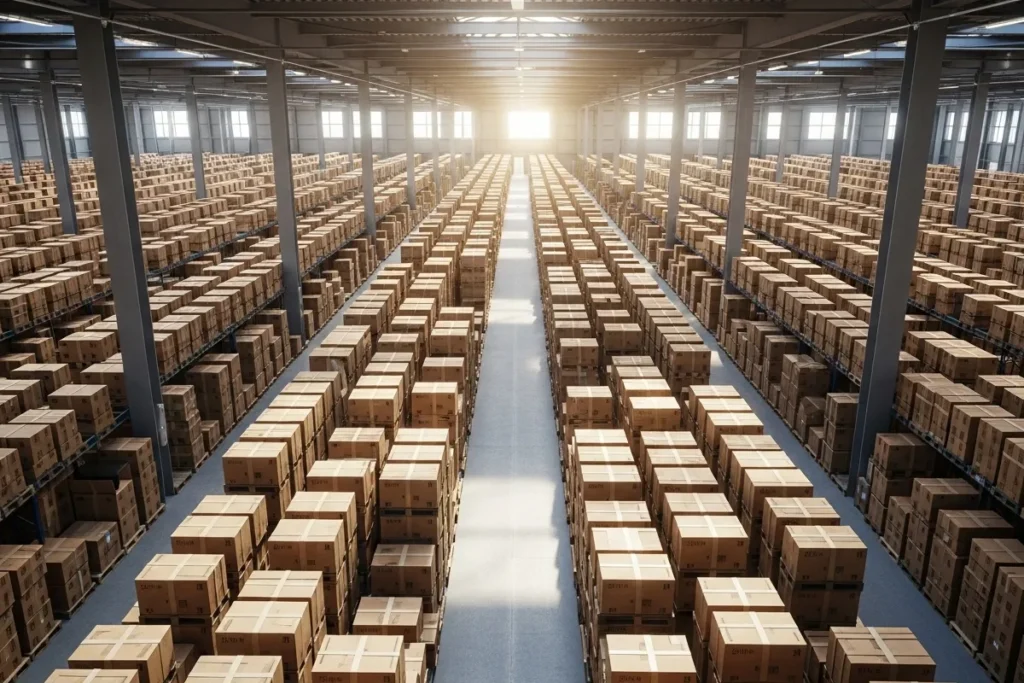
The introduction of cartons has fundamentally transformed trade practices, marking a significant turning point in the shipping and logistics industries. Originally designed as simple containers, cardboards evolved into sophisticated packaging solutions that not only protected goods during transit but also facilitated more efficient handling and storage. This evolution brought about a paradigm shift in how businesses approached the packaging of products. Cartons allowed for standardized sizes and shapes, making it easier for manufacturers, wholesalers, and retailers to optimize their supply chains.
With the advent of cardboard, the shipping industry witnessed substantial improvements in the method of transporting goods. Bulk commodities could now be neatly organized into standardized boxes, reducing the risk of damage and loss. The uniformity of carton dimensions also contributed to maximizing space during transportation, whether by land, sea, or air, leading to more efficient loading and unloading processes. In this context, cartons became invaluable tools for logistics providers, who were able to enhance delivery times while minimizing costs associated with cargo handling.
As businesses began to recognize the advantages presented by cardboard, the way products were packaged for consumer markets dramatically changed. The increased focus on aesthetics, branding, and shelf appeal within the retail environment led to more innovative carton designs. Companies started to prioritize not only the functionality of the cardboard but also its role as a marketing tool. This shift encouraged businesses to invest in high-quality materials and eye-catching designs, ultimately contributing to the overall sales performance of their products.
In sum, the introduction and adoption of cardboard revolutionized trade practices by enhancing shipping efficiencies and influencing packaging strategies for consumer goods. This new paradigm fostered a more organized and visually appealing retail landscape, underscoring the pivotal role that cartons play in modern commerce.
The Role of Cartons in Migration Patterns
The evolution of packaging, particularly the use of cardboards, has had a profound impact on migration patterns across the globe. The convenience, durability, and versatility of cartons have made them the preferred packaging solution for various goods. This ease of transport has significantly influenced individuals and families when deciding to migrate from one region to another or even across countries. As people seek better economic opportunities or improved living conditions, the ability to efficiently pack and transport their belongings in cardboard plays a crucial role in their journey.
Historically, migrants often faced numerous challenges when relocating, such as the inherent difficulties of transporting items without adequate packing solutions. With the advent of cartons, which can accommodate a variety of shapes and sizes, the logistics of moving became significantly simpler. This has led to an increase in labor mobility, allowing individuals to pursue jobs in urban centers where opportunities are more abundant. Moreover, the lightweight and stackable nature of cardboard has facilitated easier loading and unloading processes, making it more appealing for people to undertake migration.
Additionally, the rise of the global economy has interconnected various regions, making migration not only a personal choice but also a necessity in some cases. Families and individuals are now able to relocate for work, education, or safety, and the use of cardboard enables them to carry essential items with ease. This phenomenon has resulted in diversified cultural demographics in urban areas, as new residents bring their traditions, languages, and practices, enriching the social tapestry of cities worldwide. Ultimately, the role of cardboard in migration extends beyond mere convenience; they represent the changing landscape of work and culture in an increasingly mobile world.
Cartons in Urban Living: Shaping City Environments
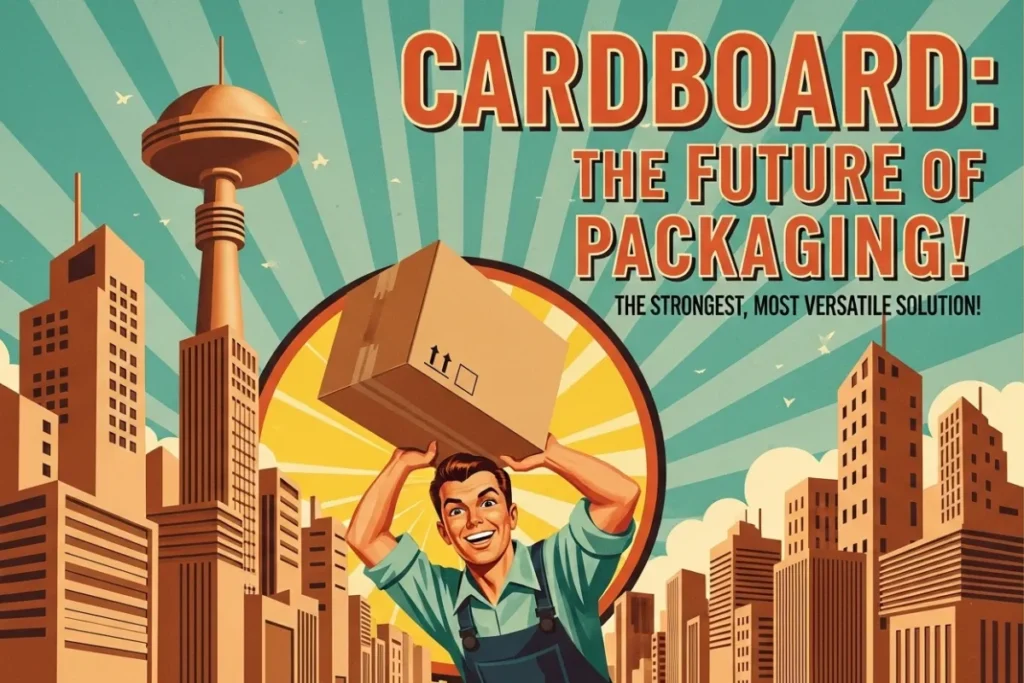
Cartons have significantly influenced urban living and the structural dynamics of cities. As the demand for convenience continues to rise, especially in metropolitan areas, cardboard have become essential in modern retail practices. The proliferation of convenience stores, which often utilize cartons for packaging and storage, reflects the changing consumption patterns of urban dwellers. These compact retail spaces rely on efficient stocking and quick turnover of goods, with cardboard providing a practical solution that enhances operational efficiency.
The emergence of e-commerce has further transformed urban environments through the increased use of cardboard. Online shopping has gained immense popularity; hence logistics and delivery systems have adapted to meet consumer demands. Cardboard, serving as robust and space-efficient packaging solutions, play a critical role in this paradigm shift. They facilitate the safe and efficient transport of goods, allowing online retailers to maintain a competitive edge. As a result, cities are witnessing an increase in fulfillment centers, which contribute to local economies while necessitating careful urban planning to manage logistics and transportation infrastructure.
This reliance on cartons extends beyond retail. In urban planning, understanding the implications of carton’s use informs sustainable practices and waste management systems. As cities strive to incorporate more environmentally friendly policies, the recyclability and lightweight nature of cartons make them a favorable choice within the packaging industry. Urban designers and planners must consider the lifecycle of cardboard when developing waste disposal initiatives, ensuring that effective recycling programs are in place to minimize the environmental impact.
Incorporating the benefits of cardboard into urban living highlights their multifunctionality, which in turn shapes the fabric of city environments. By recognizing their significance in retail and transportation, stakeholders can better adapt to the evolving landscape of urban life while addressing contemporary challenges in sustainability and efficiency.
Sustainability and the Carton Industry
The cardboard industry has witnessed a paradigm shift toward sustainability, as both producers and consumers have become increasingly aware of the environmental implications tied to packaging. This heightened awareness has catalyzed the adoption of sustainable practices throughout the carton production process. From sourcing raw materials to end-of-life disposal, every stage is now scrutinized for its environmental impact. The use of renewable resources, particularly from responsibly managed forests, is critical in ensuring that the raw materials used in carton manufacturing align with sustainable forestry guidelines.
Innovations are at the forefront of this transition. The development of recyclable materials has gained momentum, allowing cardboards to not only be used for packaging but also to be reintegrated into the production cycle. Many cardboard manufacturers have invested in research and development to craft materials that reduce carbon footprints and enhance recyclability. For instance, some companies are now producing cartons from plant-based materials, which offer an alternative to traditional petroleum-based products. These advancements represent a significant stride toward minimizing waste and encouraging a circular economy.
Moreover, consumer behavior is shaping sustainability standards within the cardboard industry. Today’s consumers are more informed and proactive in demanding transparent, eco-friendly packaging solutions. As a result, companies are compelled to adopt best practices in sustainability, ensuring that their products meet the expectations of an environmentally conscious market. Consumer influence is thus a driving force behind the persistent evolution of cardboard production, as businesses strive to align their brand values with those of their customers. This reciprocal relationship between consumers and manufacturers is crucial for the future of the carton industry as it seeks to balance economic viability with ecological responsibility.

The Future of Carton: Trends and Innovations
The carton, a seemingly simple packaging solution, is poised for significant transformation in the coming years. As sustainability becomes an increasingly pressing global issue, innovations in cardboard production and design are gaining momentum. One notable trend is the shift towards biodegradable and compostable materials. Companies are actively researching alternative resources, such as plant-based compounds, that minimize environmental impact while maintaining the functionality and durability of traditional cartons. This movement reflects a broader commitment within the packaging industry to reduce plastic usage and promote eco-friendly practices.
Technological advancements are also revolutionizing cardboard production. Smart packaging technology is emerging, allowing cartons to incorporate features such as QR codes and NFC (Near Field Communication) chips. These innovations enhance consumer interaction and provide detailed information about the product inside, thus creating a more personalized experience. Moreover, smart cardboard can include sensors that monitor freshness, thereby facilitating better inventory management and reducing food waste. This synergy of technology and packaging design is setting the stage for a new era in how consumers and businesses engage with carton products.
In addition to sustainability and smart technology, the design of cardboards is evolving to meet the demands of modern consumers. Brands are exploring innovative shapes, sizes, and closures to improve convenience and user experience. Minimalist designs that focus on aesthetics and practicality are gaining popularity, aligning with consumer preferences for simplicity and functionality. The customization of cardboard is also on the rise, allowing brands to create unique packaging that reflects their identity while appealing to diverse consumer demographics.
Ultimately, the future of cartons appears promising, marked by a shift towards environmentally responsible practices and innovative technologies. As manufacturers continue to adapt to changing market demands, cardboard will likely evolve into multi-functional packaging solutions that not only safeguard products but also contribute positively to the environment and consumer engagement.
Case Studies: Impact of Cartons on Various Industries
The advent of cardboards has fundamentally transformed numerous industries, leading to significant innovations in packaging, distribution, and product preservation. In the food and beverage sector, for instance, cartons have played a pivotal role in enhancing shelf life and improving logistics. For example, the introduction of aseptic cartons has allowed companies like Tetra Pak to package liquids such as dairy and juices without refrigeration, effectively extending their shelf life and reducing food waste. This not only benefits manufacturers but also allows consumers access to fresh products for longer periods.
In the pharmaceutical industry, the use of cartons has been instrumental in strengthening product safety and effectiveness. With features like tamper-proof seals and child-resistant packaging, cartons help to ensure that medications remain secure during transit and storage. Companies such as Pfizer have embraced specialized cardboard designs to enhance branding while also meeting regulatory requirements. This innovation is critical as it provides an added layer of protection and traceability for sensitive products, ensuring they reach consumers intact and usable.
Furthermore, in the rapidly growing e-commerce sector, the demand for efficient and sustainable packaging solutions has spurred the adaptation of cartons. Companies like Amazon have implemented innovative cardboard designs that optimize space while minimizing waste. By utilizing right-sized packaging, they can reduce shipping costs and environmental impacts. Initiatives such as these underscore the flexibility of carton-based packaging, which allows for customization based on product requirements while also addressing contemporary sustainability concerns.
Despite the numerous advantages, challenges remain for industries adapting to cardboard technology. Issues such as carton durability during transport and the environmental impact of certain materials often require attention and innovative solutions. Nonetheless, the ongoing evolution of carton design continues to influence these industries positively, enhancing performance and sustainability.
Conclusion
The carton has undeniably left an indelible mark on the landscape of modern trade, work, and daily living. As simple yet versatile packaging, cartons have transformed the way goods are transported, stored, and presented to consumers. Their lightweight, stackable nature allows for efficient shipping and storage solutions, which in turn has facilitated the rise of global trade. With the growing complexity of supply chains and the need for sustainability, the cardboard has evolved alongside these demands, emerging as a pioneer in eco-friendly packaging solutions.
Moreover, this humble box has influenced consumer behavior and preferences. Cartons are not merely vessels for products; they serve as crucial components of branding and marketing strategies. The ability to print vibrant graphics, nutritional information, and recycling instructions directly on cartons enhances consumer awareness and engagement. In essence, the cardboard is not just about containment but has emerged as a formidable player in communication and brand loyalty.
The legacy of the cardboard extends beyond commerce; it has become integrated into everyday life. From the milk delivered to our doorsteps in the morning to the takeout ordered during a busy weeknight, cartons play a pivotal role in our daily routines. Their adaptation to the fast-paced demands of society reflects innovation in packaging technology and design. As we continue to navigate a world that values efficiency and sustainability, the carton will remain a key element in shaping our experiences, habits, and the environment.
In conclusion, the cardboard represents a significant advancement in packaging that has profoundly influenced the dynamics of trade, societal interaction, and environmental responsibility. Its enduring legacy showcases its indispensable role in the past, present, and future of commerce and daily living. The carton is more than just a box; it is a symbol of progress in how we connect with goods and each other.
Read more topics on the history of ordinary things, amazing stories, and strange details about many ordinary things by reading many important topics.