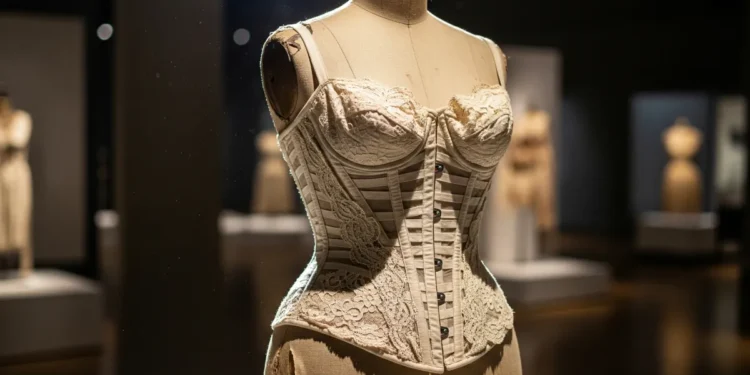


Explore the multifaceted journey of handbags as symbols of women’s empowerment, fashion evolution, and societal constraints. This comprehensive post delves into the historical significance of handbags, their role in cultural identity, and modern trends prioritizing sustainability and inclusivity. Discover how these accessories have transformed from practical items to powerful symbols of resilience, shaping women’s identities and reflecting societal changes throughout history.
Table of Contents
Introduction: The Dual Nature of the Handbag
The handbag, often regarded as a quintessential accessory in women’s fashion, carries with it a dual significance that extends beyond mere aesthetics. On one hand, it stands as a symbol of women’s freedom, representing autonomy and personal style. On the other hand, it can embody societal constraints, reflecting the roles women have occupied throughout history. The evolution of the bag offers a fascinating synthesis of empowerment and restriction, illustrating the complex nature of women’s experiences in different societal contexts.
Historically, handbags have undergone considerable transformations, from simple pouches used in ancient civilizations to ornate pieces crafted by skilled artisans. In the early 20th century, the bag began to emerge as a fashion statement, with designers creating items that showcased not only practical utility but also artistry and elegance. This transition marked a significant development in the perception of women, as they began to embrace individuality through their choice of accessories. The handbag thus became a medium for women to express their personal identity and style, often shedding traditional norms imposed upon them.
However, this newfound freedom is juxtaposed against the societal expectations that have historically influenced women’s fashion. Handbags often serve as repositories for not just personal items but societal ideals imposed upon women, such as the need to maintain a pristine appearance or fulfill specific roles within the domestic sphere. As society evolved, so too did the handbag, adapting to the changing landscape of women’s rights and roles, from suffragettes carrying their essentials to contemporary women balancing multiple responsibilities.
Thus, the bag encapsulates a narrative of progress and resistance, serving as both an emblem of emancipation and a reminder of the constraints still faced by women today. Its importance in the realm of fashion and culture cannot be understated, as it continues to shape and reflect the multifaceted journey of women’s experiences across history.
The Evolution of Handbags
The history of handbags is a fascinating journey that reflects the intersection of utility and fashion. Their origins can be traced back to ancient civilizations, where small pouches were used primarily for functional purposes. Early examples include the simple drawstring bags used by both men and women for carrying personal items such as money and essential tools. As societies evolved, so did the designs and materials of these bags, laying the groundwork for what would eventually become the contemporary handbag.
During the 14th to 16th centuries, handbags began to take shape in Europe, influenced by the elaborate styles of the time. These bags, known as ‘purses’ in many cultures, started to be adorned with lavish embroidery and intricate designs, showcasing the wealth and social status of their owners. They were not merely practical objects but increasingly became symbols of one’s social standing and fashion sense.
The Industrial Revolution of the 18th and 19th centuries marked a significant turning point in the evolution of handbags. With advancements in manufacturing techniques, bags became more accessible, allowing artisans to experiment with varying materials, including leather and textiles. This era also saw the emergence of the ‘ladies’ handbag’ as a distinct category, which further evolved during the late 19th and early 20th centuries as women began to gain more independence.
The introduction of shoulder straps and the rise of iconic bag brands in the early to mid-20th century cemented the handbag’s status as a fashion statement. Designers began to create bags that were not only functional but also highly desirable pieces of art. This transition was crucial, as handbags evolved into essential accessories for women, symbolizing autonomy and style. Today, handbags continue to be a powerful representation of fashion, reflecting societal changes and individual expression.

Cultural Significance: Handbags Across Different Societies
Throughout history, handbags have held a multifaceted significance across various cultures, serving not only as practical accessories but also as symbols of status, identity, and gender. In many societies, the bag transcends its functional role, embodying cultural norms related to femininity and societal expectations. For example, in ancient Egypt, women were often depicted carrying small sacks or purses, indicating their status and serving as a reflection of their wealth. These items were intricately designed and adorned, illustrating the importance of aesthetic expression in relation to one’s societal position.
In contrast, Japanese culture has a distinct relationship with handbags, particularly with traditional styles like the ‘obijime’ or the ‘kakebuton.’ These bags are not merely utilitarian but are also viewed as integral components of formal attire during cultural events. The craftsmanship involved in creating these handbags highlights how their design conveys respect for tradition and artistry, further emphasizing the cultural significance they hold.
Moreover, the evolution of handbags in Western societies can be traced back to the 16th and 17th centuries, where they became prevalent among the aristocracy. The shift from utilitarian pouches for carrying coins and personal items to ornate decorative pieces symbolizes a growing emphasis on personal expression. bags evolved into status symbols, often used to signify wealth and fashion sensibility. This shift further reflects changing perceptions of women’s roles in society, where fashion began to intersect with the pursuit of personal freedom.
Across various cultures, handbags serve as artifacts that not only carry personal belongings but also narrate stories of societal norms, power dynamics, and evolving definitions of femininity. As a result, the bag is not just a mere fashion accessory; it embodies the layered complexities of women’s identities and their socio-political landscapes.
Handbags as Tools of Empowerment
Handbags have long served as more than mere accessories; they are powerful symbols of empowerment and independence for women. Carrying a handbag can elevate a woman’s sense of mobility, providing her the means to navigate her environment with confidence and ease. The ability to transport personal belongings, essential items, or even a simple wallet enables women to engage more actively in both their personal and professional lives. This functionality transforms handbags into practical tools that empower women to break free from societal constraints.
Moreover, the psychological implications of carrying a handbag cannot be underestimated. The act of selecting and wearing a handbag often serves as a form of self-expression, allowing women to curate an image that reflects their unique identities. Various styles, colors, and materials enable women to communicate messages about their personalities, tastes, and social status. In a public setting, a woman’s choice of handbag can assert her presence and individuality, enhancing her ability to stand out and be recognized in a crowded space.
On a broader social level, handbags have become symbols of women’s freedom, illustrating their growing autonomy across different spheres of life. As women increasingly enter the workforce and engage in various social responsibilities, these accessories have evolved alongside them, reflecting the changing landscape of women’s rights and gender equality. By carrying a handbag, women are not merely holding a personal item; they are participating in a tradition that signifies progress and empowerment. This relationship encapsulates the multifaceted role that bags play in the lives of women, showcasing their ability to facilitate independence and assertiveness in an ever-evolving world.
The Dark Side: Handbags and Women’s Imprisonment
The handbag, often perceived as a symbol of empowerment and personal expression for women, also has a more somber history intertwined with societal pressures and constraints. Throughout various periods, the handbag has represented not only a means to carry personal effects but also the expectations imposed upon women by societal norms. These expectations can sometimes lead to a sense of confinement and restriction rather than liberation.
Historically, women’s roles have been largely defined by patriarchal standards, often dictating how they should dress, behave, and ultimately, how they should accessorize. The handbag, while it can signify independence, has also been used as a tool of societal scrutiny. It has been employed to gauge a woman’s social status, femininity, and worth based on its design, material, and brand. Consequently, this has placed undue pressure on women to conform to ever-evolving trends and ideals, reinforcing the societal notion that their value is tied to appearance.
Moreover, the burden of maintaining an impeccably curated image can lead to a form of psychological imprisonment. Women often feel compelled to invest in luxury bags as a status symbol, resulting in significant financial strain. This phenomenon highlights the conflict between personal freedom and societal expectation. Instead of serving purely as practical accessories, handbags may inadvertently become instruments of cultural control that dictate a woman’s financial, emotional, and social well-being.
Additionally, the evolution of the bag has often lingered in the shadows of women’s rights movements. As women fought for freedoms, their relationship with handbags reflected the complexity of their lives—caught between the desire for self-expression and the constraints enforced by social norms. This duality serves as a reminder that while handbags can empower, they can also entrap women within the confines of societal expectations.
Iconic Handbag Designs and Their Impact
The evolution of handbag design has significantly shaped women’s fashion and cultural identity over decades. Iconic handbags often transcend mere aesthetics, offering insights into the shifting roles of women and their quest for freedom. One of the most recognizable examples is the Hermès Birkin bag, launched in the 1980s. Its creation was inspired by a conversation between Jane Birkin and the brand’s CEO Jean-Louis Dumas. The bag is not only a status symbol but also represents the increasing independence of women, who were seeking to express their individuality through fashion.
Another noteworthy design is the Chanel 2.55, introduced in 1955 by Coco Chanel. This bag was revolutionary for its time, featuring a shoulder strap that allowed women to carry their belongings hands-free, thereby promoting a sense of mobility and autonomy. The 2.55 encapsulates the essence of modern femininity, challenging the traditional norms of women’s accessories that often confined them to more decorative roles in society. As women’s rights progressed, the practical yet elegant design of this handbag mirrored the increasing emergence of women in professional spheres.
The Prada nylon bag, which gained popularity in the 1990s, further illustrates the connection between handbags and women’s empowerment. Originally designed as a utilitarian piece, it became a symbol of casual, luxury chic, demonstrating that practicality and style can coexist. This shift in design philosophy resonated with a generation of women who sought to break free from the confines of traditional gender roles. Handbags like these not only reflect fashion trends; they also signify moments of social change and liberation for women around the world. Each bag has its own story, intertwining style with deeper cultural meanings that resonate with the ongoing fight for women’s rights.

Modern Handbags: Fashion, Function, and Feminism
The contemporary handbag has evolved into a significant symbol of both style and empowerment for women. In today’s fashion landscape, handbags are not merely accessories; they embody the values of inclusivity and functionality. Current designs reflect a progressive shift where aesthetics and practicality coexist, allowing for greater expression of individual identity. Various brands have recognized this trend and have positioned themselves to cater to the modern woman’s myriad needs through innovative designs.
Today’s bag styles often incorporate sustainable materials, catering to the environmentally conscious consumer. Numerous brands are embracing eco-friendly practices, thus creating a market that prioritizes ethical production alongside fashionable design. Furthermore, many companies are aimed at accessibility, offering diverse styles that transcend traditional boundaries. The result is a collection of handbags that appeal to a wide range of women, regardless of age or socioeconomic status.
Feminism plays a critical role in the current bag scene, with many brands actively promoting messages of empowerment. The rise of female designers and entrepreneurs in the fashion industry has led to a proliferation of collections that celebrate women’s strength and agency. For instance, campaigns that highlight stories of resilience and independence resonate deeply with consumers, blending cultural narratives with the allure of luxury items.
In addition to style and empowerment, functionality remains at the forefront of modern bag design. As women navigate busy lifestyles, practicality in design, such as organizational compartments and versatile straps, becomes essential. This fusion of form and function reflects a larger trend in which handbags are designed for everyday use while retaining their fashionable appeal.
Ultimately, the modern bag serves as a reflection of contemporary feminist ideals, merging function and fashion into a powerful tool of self-expression for women today.
The Future of Handbags: Sustainability and Gender Identity
The handbag has undergone a significant transformation over the years, evolving from a symbol of societal status to a reflection of personal identity and values. In recent times, sustainability and gender identity have emerged as pivotal themes influencing bag design and use. The fashion industry is witnessing a growing demand for eco-friendly materials, prompting designers to innovate and adopt sustainable practices.
One prominent trend is the integration of sustainable materials such as organic cotton, recycled plastics, and plant-based leathers in bag production. These eco-friendly alternatives not only reduce environmental impact but also resonate with consumers who are increasingly mindful of their fashion choices. Brands focused on circular economy principles are offering repairs, upcycling services, and trade-in programs, encouraging a mentality of longevity over disposability.
Gender identity is also redefining the landscape of bags, with unisex designs gaining traction. As traditional gender norms continue to blur, many consumers are seeking accessories that transcend gender classifications. Designers are responding by creating bags that cater to diverse styles and preferences, fostering inclusivity within the accessory market. Unisex handbags focus on functionality and minimalistic design, promoting versatility and accessibility regardless of gender.
Furthermore, handbags are playing a role in advocating for a more sustainable fashion industry. Many brands are utilizing their platforms to raise awareness about environmental issues and the importance of ethical production methods. By aligning their products with a larger social purpose, these brands empower consumers to make conscious choices, thereby contributing to a collective movement towards sustainability within the fashion realm.
In conclusion, the future of handbags appears to be geared toward a sustainable and inclusive approach. As designers embrace eco-friendly practices and unisex designs, the bag remains a vital accessory that mirrors evolving cultural values while promoting both environmental consciousness and gender inclusivity.
Conclusion: The Handbag as a Symbol of Resilience
The handbag has traveled a complex and often transformative journey throughout history, embodying both the liberation and the constraints faced by women. Initially serving merely as a practical accessory for carrying essentials, the bag has evolved into a significant cultural artifact that reflects societal changes and women’s roles over time. From the early days when women carried their personal belongings in simple pouches, to the elaborate and artistic designs of modern fashion houses, the bag signifies much more than functionality. It embodies a woman’s right to independence, choice, and self-expression.
Moreover, the historical context of the handbag is intertwined with pivotal moments in women’s rights movements. During times when women were striving for social and economic freedom, the bag became a symbol of empowerment, representing a woman’s ability to carry her own possessions and, symbolically, her own agency. Conversely, the bag also reflects the societal pressures imposed on women, often serving as a medium through which cultural expectations concerning beauty, status, and femininity are expressed. As such, it encapsulates the duality of freedom and imprisonment, depending on the perspective from which it is observed.
As we look to the future, the bag continues to evolve, adapting to contemporary societal norms and technological advancements. It now often incorporates innovative materials, ethical manufacturing processes, and digital integration. Despite this evolution, its significance remains steadfast in the lives of women around the world. Handbags today serve not just as accessories, but as steadfast companions in the journey towards personal freedom and self-definition. Recognizing the historical context of handbags provides a deeper appreciation of their role and reinforces the idea that they are more than mere objects; they are symbols of resilience that encapsulate the ongoing struggle for women’s rights and self-empowerment.