

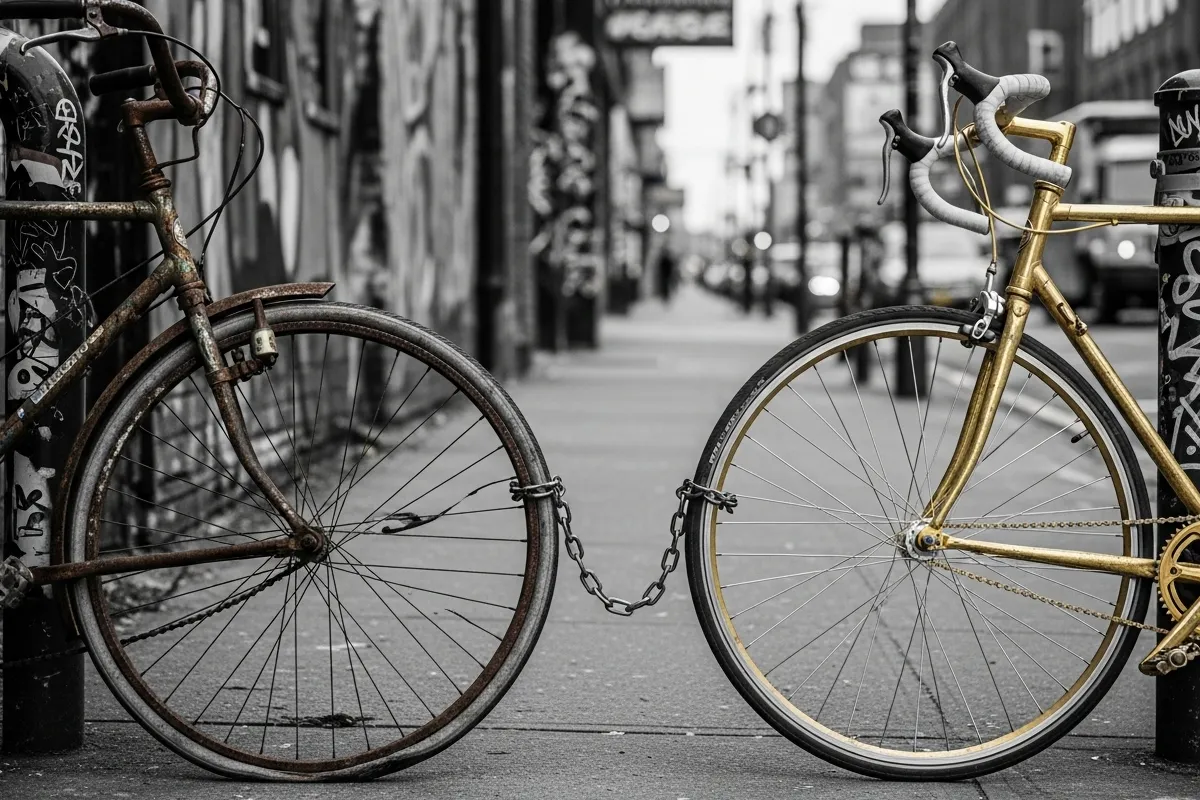
Explore the profound significance of bicycles in shaping societies and cultures worldwide. This blog post delves into the bicycle’s journey from a basic mode of transport to a powerful symbol of empowerment and social change, particularly for women and underprivileged communities. Learn about the historical context, the dual nature of bicycles as tools for both equality and luxury, and their environmental benefits. Discover how modern initiatives are promoting cycling as a pathway to social equity, bridging class divides, and fostering community engagement while addressing urban challenges.
Table of Contents
Introduction to the Bicycle’s Significance
The bicycle stands as a pivotal invention in the narrative of societal transformation, profoundly shaping various structures and cultures across the globe. Historically, bicycles were more than mere modes of transportation; they represented a significant shift in social dynamics. Initially, bicycles emerged as practical tools, particularly benefiting marginalized groups who often faced limitations in mobility. For women and the economically disadvantaged, the bike facilitated newfound freedom, allowing them to traverse greater distances for work, education, and social engagement. This shift helped to challenge existing societal norms, providing individuals with greater autonomy and reinforcing their ability to pursue opportunities previously considered inaccessible.
However, the bicycle’s impact extends beyond the realm of empowerment. Over time, it evolved into a symbol of luxury and status in various cultures. Bicycles are often marketed with an emphasis on sophistication, artistry, and cutting-edge technology, positioning them as desirable possessions. This transformation highlights the dual nature of bicycles; they can serve as conduits for social equality while also being objects of aspiration for some, prompting a complex relationship between different socioeconomic groups. In affluent societies, ownership of high-end bicycles represents not just an investment in personal health and fitness, but also a manifestation of lifestyle choices and social status.
The evolution of the bike illustrates its capacity to bridge divides while also reflecting prevailing class distinctions. Despite their humble beginnings, bicycles hold the potential to unify individuals from diverse backgrounds, proving that they truly are the “wheel of equality” on the world’s streets. This dynamic underscores the bicycle’s unique role in promoting inclusivity, enhancing individual freedom, and navigating the diverse socioeconomic landscapes of urban environments across the globe.
According to World Bicycle Relief, “the bicycle afforded women an accepted way to be outside as part of society including when it came to business and politics”.
Historical Context: The Birth of the Bicycle
The invention of the bicycle can be traced back to the early 19th century, a period characterized by significant technological advancements and social transformations. The first iteration of the bike, known as the “laufmaschine” or dandy horse, was created by Baron Karl von Drais in 1817. This wooden contraption lacked pedals and was propelled by the rider’s feet pushing against the ground. Its design laid the foundation for the evolution of the bicycle, appealing primarily to affluent individuals who sought innovative means of transportation.
As manufacturing techniques improved and the Industrial Revolution gained momentum, more refined versions of the bike began to emerge. In the 1860s, the introduction of pedals and cranks marked a significant shift, leading to the development of the “velocipede” or “boneshaker.” These enhancements allowed for improved speed and mobility, and the bicycle quickly became popular among various social classes, particularly in urban centers. This newfound accessibility helped to democratize transportation, permitting individuals from lower socioeconomic backgrounds to traverse greater distances than previously possible.
The widespread adoption of the bike was closely tied to social changes, particularly the push for women’s suffrage and greater independence. In this context, the bicycle served not only as a practical utility but as a symbol of personal freedom, challenging traditional gender roles and class divisions. As cycling clubs grew in number and popularity during the late 19th century, this burgeoning interest galvanized discussions about rights and equality, demonstrating the bicycle’s profound impact on societal norms.
Consequently, the bike emerged as more than just a mode of transportation; it was a vehicle for social change, fostering a sense of community and egalitarianism at a time when such ideals were gaining traction. This rich historical context underscores the bicycle’s role in shaping social dynamics and laying the groundwork for its enduring legacy on urban streets around the world.

Empowerment of Women Through Cycling
The bicycle has served as a pivotal instrument of empowerment for women throughout history, providing them with an opportunity to pursue independence and self-expression. In the late 19th century, bicycles became synonymous with women’s liberation, as they allowed women to navigate the social landscape in ways that were previously unattainable. This shift was notably embodied by influential figures such as Susan B. Anthony, a staunch advocate for women’s suffrage in the United States who famously proclaimed, “The bike has done more for the emancipation of women than anything else in the world.”
The advent of the safety bicycle in the 1880s contributed significantly to this movement, as it was more accessible and easier to ride than its predecessors. Women began to adopt cycling as a means to break free from societal constraints and engage more actively in public life. This era saw the emergence of all-female cycling clubs, which not only fostered community among women but also served as platforms for advocating for their rights. These movements laid essential groundwork for subsequent generations, showcasing the bike as a symbol of freedom and equality.
Thus, the bicycle remains not merely a mode of transport but a powerful tool for social change, generating a ripple effect that empowers women and cultivates their role in society. This trajectory leads to a broader recognition of gender equality and the acknowledgment that every pedal forward contributes to the wider movement for female empowerment.
Bicycles as Tools for the Underprivileged
Bicycles have emerged as a vital mode of transportation, particularly for economically disadvantaged communities. They serve not only as a means of mobility but as a tool that can significantly enhance access to essential services such as employment, education, and healthcare. For many individuals in low-income areas, owning a bike is a transformative experience that can lead to improved quality of life.
In various regions, initiatives promoting bike use have showcased the profound impact on local communities. For example, programs in developing countries provide bicycles to individuals who would otherwise have to walk long distances to their places of work or school. This increased access to jobs results in higher employment rates, which directly contributes to economic stability. A case study in Kenya highlighted how bicycles enabled young women to travel safely to educational institutions, thereby increasing school attendance and improving academic performance. This illustrates the broader implications of bicycles in promoting gender equality and empowerment.
The benefits of bicycles extend beyond mere transportation. In healthcare, many rural communities lack adequate access to medical facilities. Bicycles have been utilized by community health workers to deliver essential health services, medications, and information to remote populations. Furthermore, initiatives like bike-sharing programs in urban areas have shown that offering bicycles to economically disadvantaged residents allows them to engage with the community and participate actively in local culture and social interactions.
Overall, the bike acts as a gateway for the underprivileged, facilitating mobility that enables individuals to seize opportunities they might not have otherwise accessed. By breaking down barriers related to transportation, bicycles contribute to a more equitable society, providing individuals with the tools necessary for self-improvement and community engagement.
The Shift to Luxury: How Cycling Became Exclusive
As we transitioned into the latter part of the 20th century, the perception of bicycles shifted dramatically. Once viewed primarily as a utilitarian vehicle, bicycles began to symbolize wealth, leisure, and exclusivity. This transformation can be attributed to various factors, including advancements in technology, the emergence of high-end brands, and a renewed focus on lifestyle marketing.
Premium bike brands emerged, offering high-quality materials, innovative designs, and superior performance. Brands such as Trek, Specialized, and Cannondale redefined the cycling landscape by catering to affluent customers seeking the best in engineering and aesthetics. The high price tags associated with these bicycles positioned them as luxury items, turning cycling from a common mode of transportation into a status symbol. This exclusivity quickly permeated urban landscapes, where cycling evolved from a practical necessity to a fashionable pastime reserved for the elite.
The marketing landscape played a pivotal role in fostering this exclusivity. Advertisements began to focus not just on the functionality of bicycles but on the lifestyle that came with owning a premium bike. Phrases emphasizing speed, adventure, and personal accomplishment resonated with potential buyers. Cycling events and races attracted affluent spectators and competitors, further reinforcing the bicycle’s status as a luxury item. Specialized gear, such as lightweight clothing, high-performance helmets, and cutting-edge accessories, became sought-after commodities, enhancing the overall experience and solidifying cycling as a symbol of lifestyle and success.
Furthermore, cultural factors contributed to the rise of cycling as an exclusive activity. In certain societies, the idea of cycling represents a commitment to health, fitness, and sustainability, attracting individuals who wish to align themselves with these values while showcasing their affluence. Consequently, cycling gear transitioned from mere accessories to essential components of a sophisticated lifestyle, reinforcing the notion that cycling was no longer just for the masses, but instead a privilege for those who could afford it.
Social Class and Bicycles: A Global Perspective
The bike , while often viewed as a simple means of transportation, carries diverse connotations shaped by cultural and socioeconomic contexts. In some nations, bicycles may symbolize a lower economic status, while in others, they embody luxury and social status. This dichotomy prompts an exploration of the global perspectives on bicycles and their relationship with social class.
In many developing nations, the bicycle is a pragmatic necessity. It serves as a cost-effective mode of transportation for numerous individuals, particularly those belonging to lower-income groups. For example, in countries like India and Kenya, bicycles are crucial for commuting to work, accessing education, and social mobility. However, in these contexts, owning a bike may also be indicative of financial struggle rather than privilege, which can lead to a perception of poverty. The sight of a family using a bicycle for transportation may reflect economic hardships faced by communities.
Conversely, in wealthier countries, the bike can function as a status symbol. In cities like Amsterdam and Copenhagen, where cycling is widely embraced, high-end bicycles are often seen as an expression of a certain lifestyle. They represent not just a method of travel but also a commitment to sustainability and an eco-friendly ethos. Luxury brands designing bicycles for affluent consumers underline how the same object can diverge substantially in its association with class, from income disparity to elite preference.
Additionally, social initiatives, such as bike-sharing programs in urban areas worldwide, further complicate the bicycle’s perception. These programs aim to democratize access to cycling, allowing individuals from various class backgrounds to engage with the culture of cycling, thus blurring the traditional class lines associated with bicycles.
Ultimately, the bike acts as a mirror to societal structures, reflecting a spectrum of class dynamics that varies immensely across different cultures. Understanding this complexity is essential for appreciating the bicycle’s role as both a symbol of economic challenge and a tool for social change.

Environmental Impact and Social Equity
The bicycle represents a powerful means of transportation that merits increased attention for its notable environmental benefits. As cities grapple with the challenges of urbanization, traffic congestion, and pollution, cycling emerges as an eco-friendly alternative that encourages sustainability. The environmental impact of cycling is profoundly positive, as bicycles produce zero emissions during operation, unlike cars or other motorized vehicles that contribute significantly to greenhouse gas emissions. This highlights the bicycle’s role in reducing individual carbon footprints and promoting a healthier planet.
Moreover, the adoption of cycling as a primary mode of transport can foster social equity within communities. By providing an accessible option for mobility, bicycles can bridge social divides, particularly in low-income areas where car ownership may be financially unfeasible. Public transit systems can be complemented by cycling, allowing individuals from diverse socioeconomic backgrounds to access essential resources such as employment opportunities, education, and healthcare. In this way, cycling not only serves as an efficient travel method but also as a catalyst for social inclusion and equality.
The promotion of bikes has generated momentum around initiatives that prioritize infrastructure development for cyclists, such as dedicated bike lanes and parking facilities. This prioritization further enhances the potential for equitable transit access, ensuring that all individuals—regardless of their social status—can participate in sustainable commuting practices. Moreover, these efforts contribute to the reduction of urban congestion, enhancing the quality of life for all community members and paving the way for improved air and noise quality.
In summary, the bike stands as an invaluable tool in promoting both environmental sustainability and social equity. By harnessing the potential of cycling, communities can foster a more just society while making strides towards a greener future.
Future of Bicycles: Bridging Class Divides
The future of bicycles holds considerable promise for bridging class divides in urban environments. As cities around the world continue to grapple with inequality and accessibility issues, bicycles can emerge as a vital tool in promoting social equity. Urban development planners increasingly recognize the importance of integrating cycling infrastructure into city design, ensuring that bicycles are accessible to individuals of all socioeconomic backgrounds. This approach not only fosters cycling as a viable means of transport but also helps reduce traffic congestion and environmental pollution.
As the global community becomes more conscious of climate change and its impact on urban living, bicycles present an eco-friendly alternative to motor vehicles. Initiatives aimed at expanding cycling networks, such as the development of dedicated bike lanes and bike-sharing programs, can further encourage wider adoption of cycling across different demographics. These developments enable people from varying income levels to access affordable transportation while also promoting healthier lifestyles. Specifically, cities that prioritize cycling infrastructure can significantly diminish the transportation gap between affluent and low-income residents, allowing bikes to serve as a common ground for all.
Moreover, educational campaigns focusing on bike literacy and safety can empower individuals with the knowledge and skills necessary to navigate urban landscapes confidently. By ensuring that cycling is not only seen as a leisure activity but also as a legitimate mode of transportation, communities can work towards dismantling the perceptions that associate cycling predominantly with certain social classes. Enhancing access to financial assistance programs for lower-income individuals interested in purchasing bicycles can further advance equity in cycling, illustrating that every citizen deserves a reliable means of transportation.
In light of these developments, the bike could very well become a symbol of social equity and empowerment in the coming years, fostering a sense of belonging among diverse populations within urban settings.
Conclusion: The Bicycle’s Ongoing Journey
The bike has traversed a remarkable path since its inception, evolving from a basic form of transportation to a powerful symbol of equality and class distinction. Initially embraced for its utility, the bike quickly became an emblem of personal freedom and empowerment, allowing individuals to navigate their environments more efficiently and economically. As such, it played a pivotal role in advancing social movements, particularly those advocating for women’s rights and urban mobility equity.
Throughout history, various cultural and societal dynamics have influenced the perception of bicycles. In more affluent societies, bikes represented leisure and recreational activity, while in underprivileged areas, they served as a vital means of transportation. This duality highlights the bike’s role in bridging gaps between different societal strata, forging connections among diverse communities. In many regions, initiatives promoting cycling as a sustainable mode of transport have emerged, reinforcing the bicycle’s position as a progressive tool for social change.
As urban centers increasingly grapple with issues of congestion, pollution, and accessibility, the humble bike has resurfaced as a viable solution. Cities around the globe are recognizing the value of cycling infrastructure, investing in bike lanes and rental programs to ensure that mobility is both affordable and efficient. This renewed interest further emphasizes the bike’s integral role in fostering inclusion and enhancing community engagement.
The journey of the bike from an everyday utility to a profound symbol of class and equality serves as a testament to its enduring significance. It is evident that the bike will continue to influence social narratives and promote equity in the years to come. As we move forward, it is crucial to acknowledge and support initiatives that enhance cycling accessibility, ensuring that this age-old mode of transport remains a pivotal element of a more equitable and sustainable future.